2026-10-23 ·
Dealing With Damp After Spray Foam Installation In Hull Properties
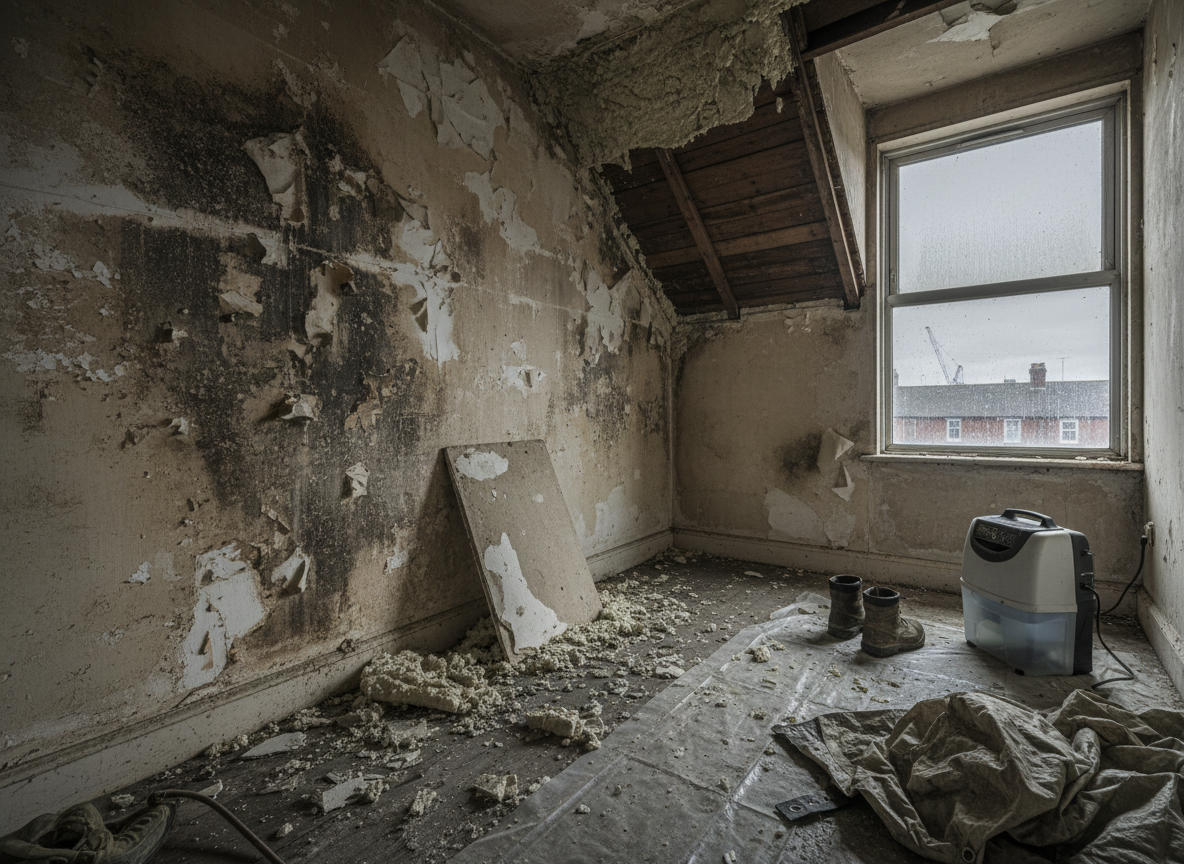
Damp after spray foam installation in Hull properties stems from closed-cell foam blocking moisture escape in pre-1919 brick walls, and prompt professional assessment followed by targeted removal prevents rot within 4–8 weeks in most cases. Hull’s terraced stock built between 1880 and 1910 features solid walls that rely on evaporation; once foam is applied, winter rainfall and high humidity trap water against joist ends and internal plaster. Owners in Anlaby, Willerby, and Kirk Ella report musty odours and peeling paint within two winters. The solution begins with an insulation assessment to map moisture levels, followed by removal using dry ice blasting or thermal methods that leave timber dry enough for new breathable insulation.
Why Spray Foam Traps Moisture in Hull Housing Stock
Hull’s Victorian terraces and early Edwardian semis were never designed for impermeable insulation. Solid brick walls measuring 9–13 inches allow gradual drying through both faces; closed-cell spray foam at 2–3 inches thick stops this process and forces condensation at the interface during the 120–150 wet days typical each year. In areas such as Hedon and Preston, rising ground levels around older properties add hydrostatic pressure that foam then seals inside. Timber floor joists in contact with external walls absorb the trapped vapour, leading to wet rot within 3–5 years. Removing the foam restores the original drying path and allows owners to choose open-cell or mineral-wool alternatives that match the building’s performance.
Recognising Early Damp Indicators in Sprayed Lofts and Walls
Homeowners notice dark staining along ceiling joists, salt efflorescence on internal plaster, and a persistent musty smell strongest after heavy rain. In Swanland and North Ferriby properties, condensation drips appear on loft timbers within 18 months of installation. Surface mould on bedroom ceilings often follows because warm moist air from the house meets the cold foam layer. Checking with a moisture meter at multiple points across the loft floor and external wall junctions reveals readings above 20 % wood moisture content, confirming the foam is the cause. Early detection allows removal before structural timbers require replacement.
Step-by-Step Removal and Drying Process
Begin with a full insulation assessment to record moisture readings and locate electrical cables. Technicians then use dry ice blasting spray foam removal to break the bond without damaging brick or timber, followed by debris extraction through the loft hatch. After removal, the roof space is ventilated with temporary fans for 7–14 days until timber moisture drops below 16 %. In conservation-area streets around Hull city centre, work follows listed-building guidance to avoid altering original fabric. Once dry, owners can install loft spray foam removal alternatives such as mineral wool between joists that allow vapour movement. Final inspection confirms no residual foam remains in eaves or around penetrations.
Seasonal Timing and Long-Term Prevention
Scheduling removal between April and September avoids the worst Hull rainfall and gives the structure time to dry before winter. Properties in Kirk Ella and Willerby benefit from south-facing roof slopes that warm faster once foam is gone. After drying, adding continuous ridge and eaves ventilation plus a vapour-permeable underlay prevents recurrence. Linking removal work to the seasonal timing for spray foam removal in Hull Yorkshire ensures crews can work safely on roofs without ice or high winds. Regular loft inspections every two years catch any new moisture before it affects ceilings below.
When to Call Local Specialists
If moisture meter readings exceed 25 % or visible mould covers more than 1 m², contact a 24/7 spray foam removal team based at 94 Alfred Gelder Street, Hull, HU1 2AN. Same-day spray foam removal is available for emergency cases where water is actively dripping. Residential spray foam removal teams familiar with Hull’s stock can complete most three-bedroom terraces in one day using environmentally friendly insulation removal methods that leave no residue. Follow-up visits confirm drying and advise on compatible replacement insulation suited to the area’s exposed coastal weather.